Carbon Neutral Concrete Project
Currently testing a new form of carbon neutral concrete for artificial reef application in collaboration with Ashraf Lab
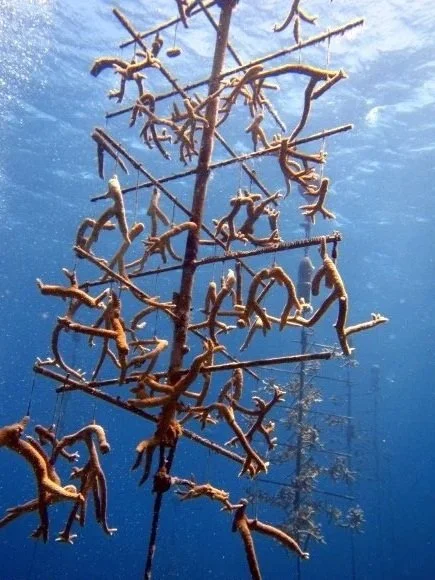
Natural reef formation can take decades, so as vital reefs decline, conservation experts are already installing artificial structures made of concrete as backbones for coral to grow on, speeding up the timeline of reef restoration and new reef formation.
There is just one problem: carbon emissions. Traditional concrete production generates an enormous amount of CO₂, both from the chemical breakdown of limestone and from the energy required to heat cement kilns.
For every ton of traditional concrete produced, nearly 0.8 tons of carbon dioxide is released
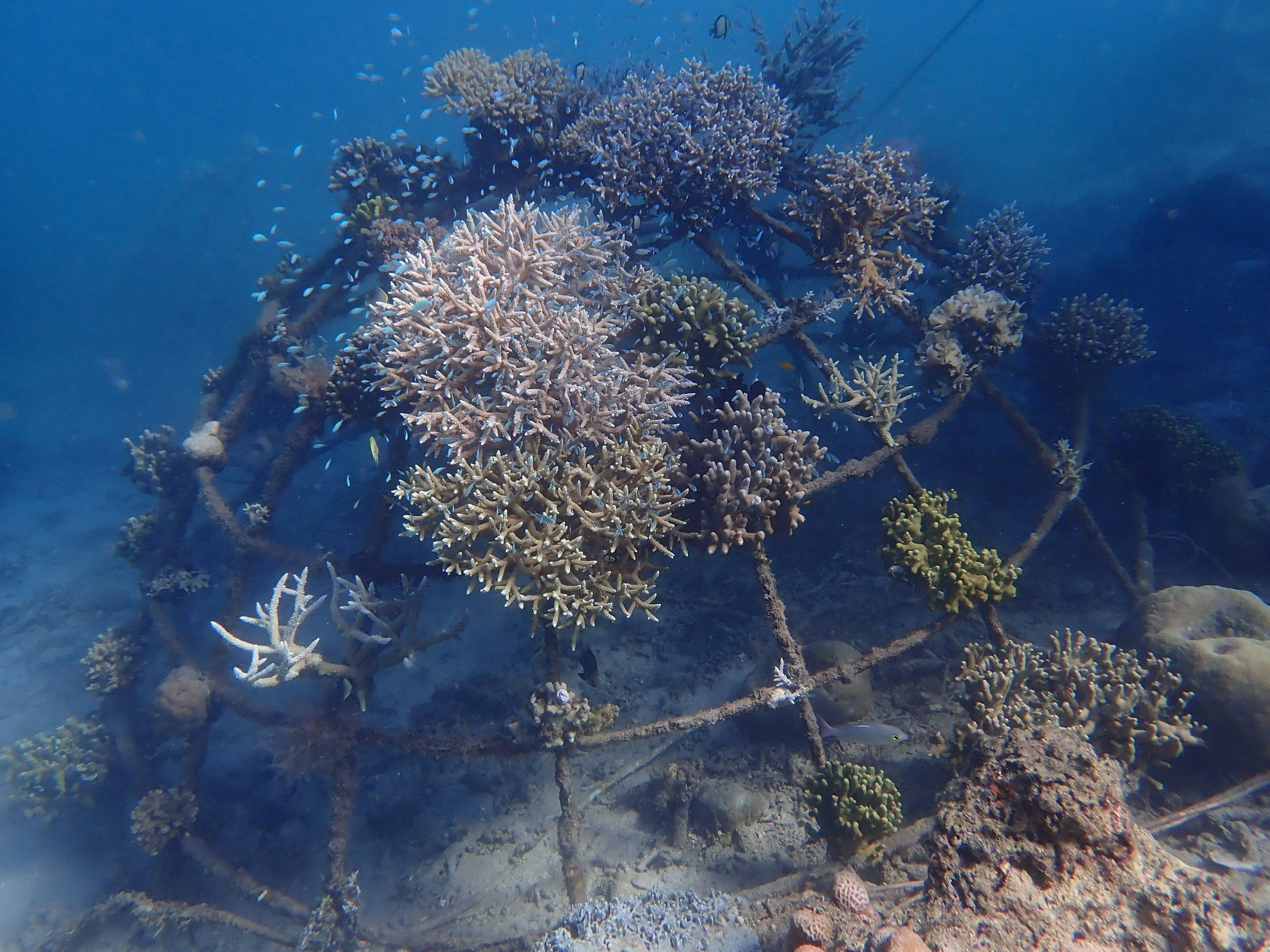
Since rising ocean temperatures are a huge factor in coral disease, it doesn’t make sense to build reefs with a product that creates so much pollution.
Traditional concrete production generates 7-8% of global carbon emissions. That’s comparable to global emissions from cars.
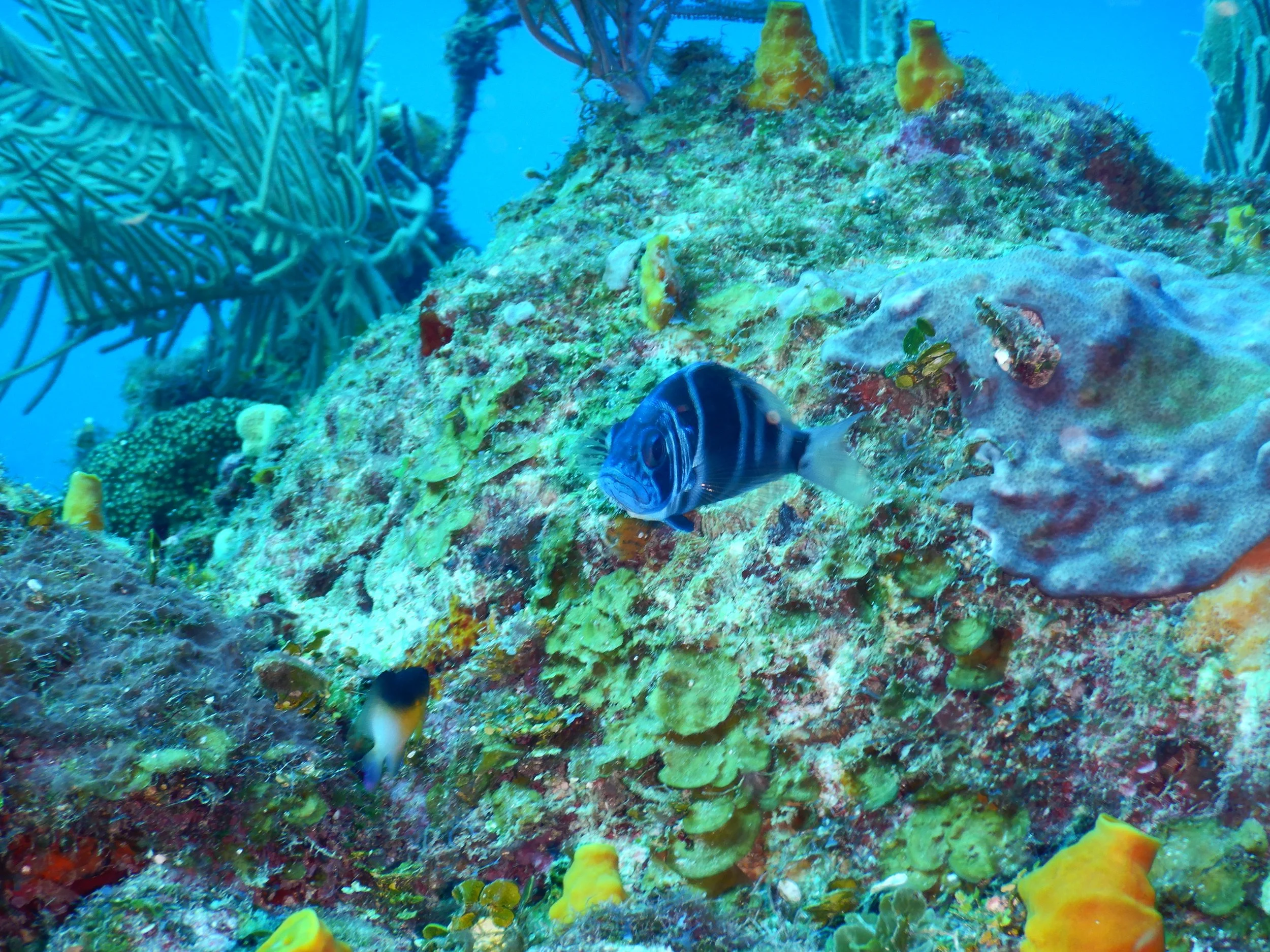
One possible solution? Carbon neutral cement. Dr. Warda Ashraf of UTA’s engineering department has developed an entirely new kind of cement whose production is fully carbon neutral. The product utilizes bio char and actually sequesters carbon. You can read more about Ashraf Lab’s work and their incredible innovations HERE.
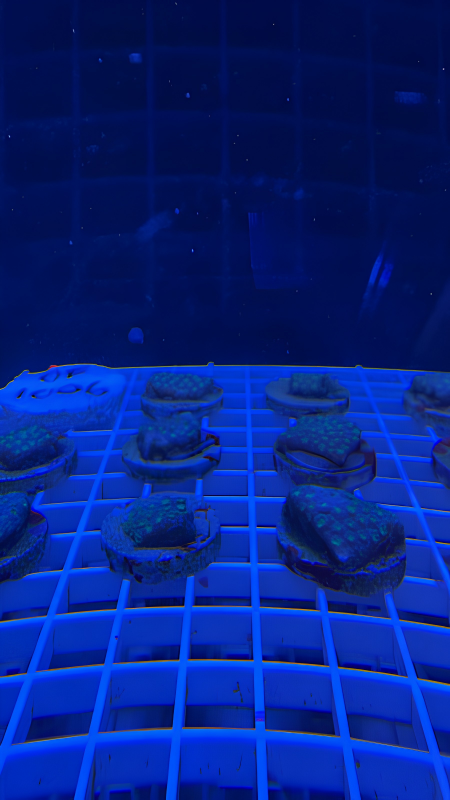
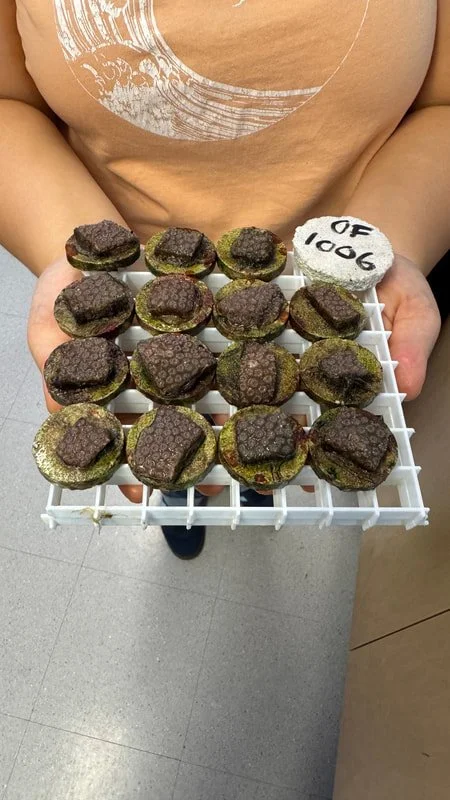
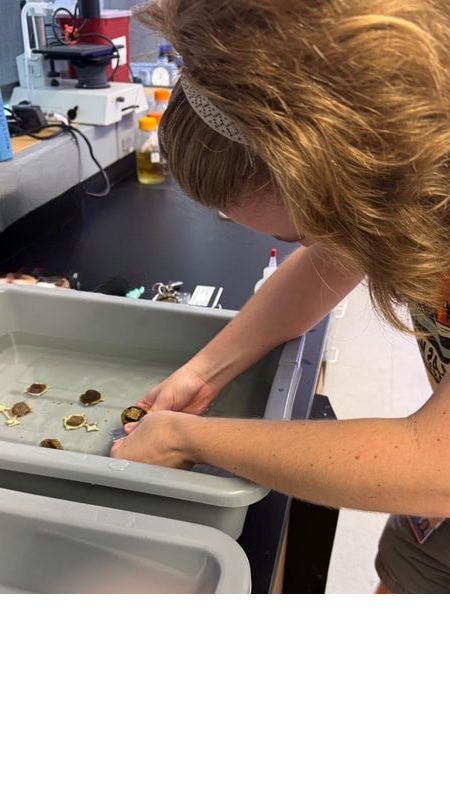
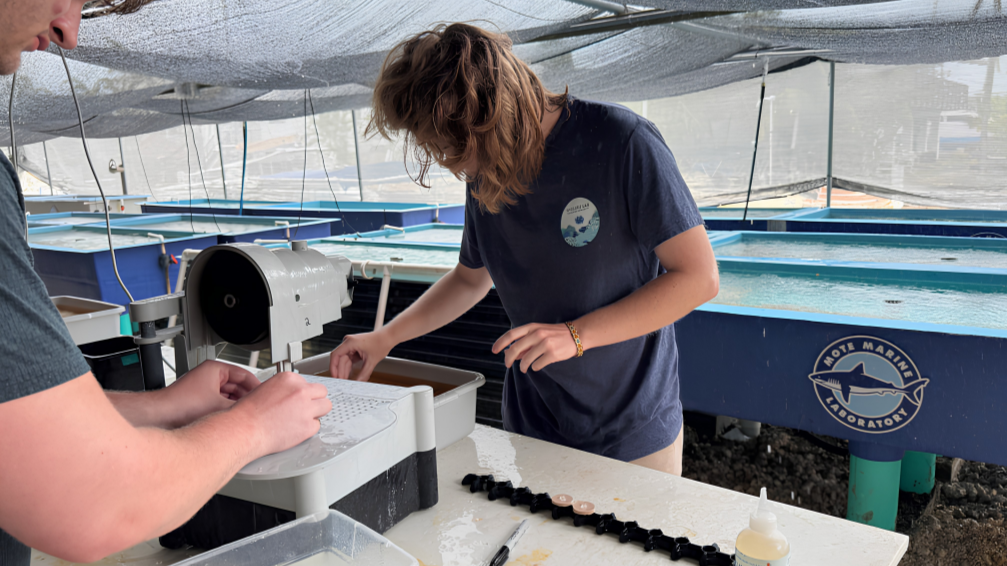
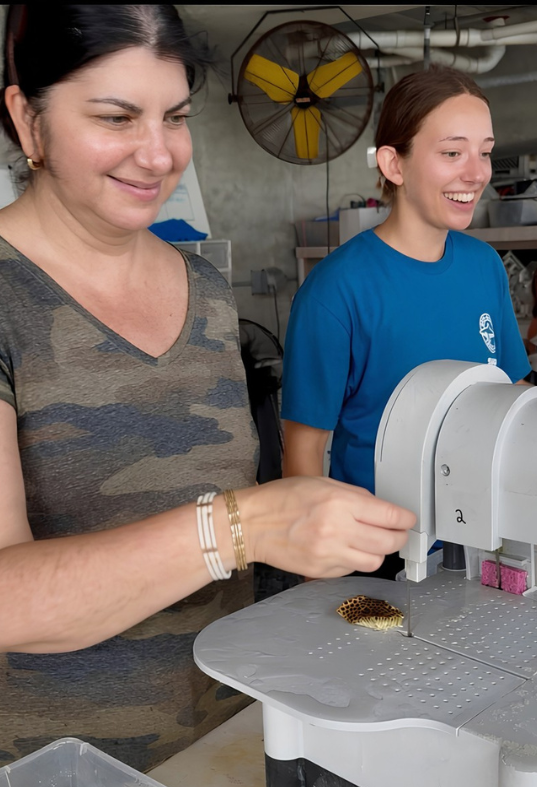
Mydlarz Lab is testing out the viability of this new form of carbon neutral concrete as a growing medium for reef-building corals
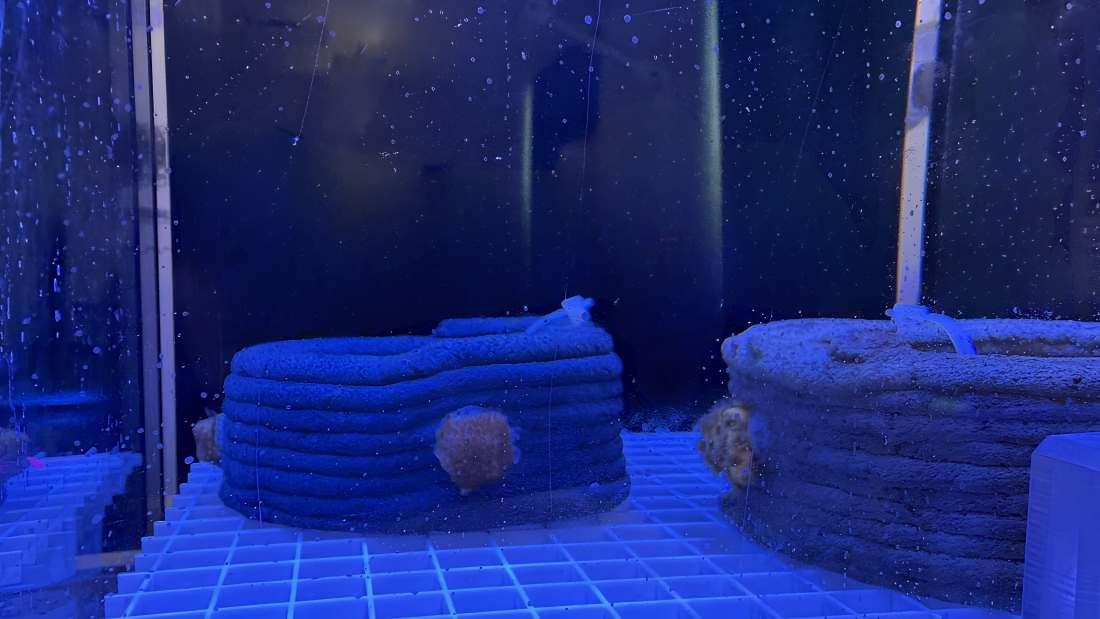
We’re conducting multiple parallel studies on several coral species to find out how the new concrete performs under various conditions like temperature disturbance and lighting changes.
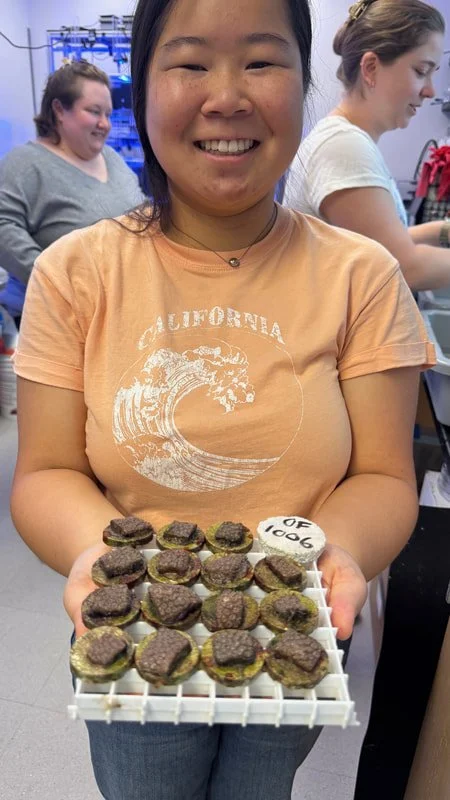
Our work includes looking for differences in coral gene expression between traditional and carbon neutral concrete bases, as well as differences between the center and growing edge of the colony.
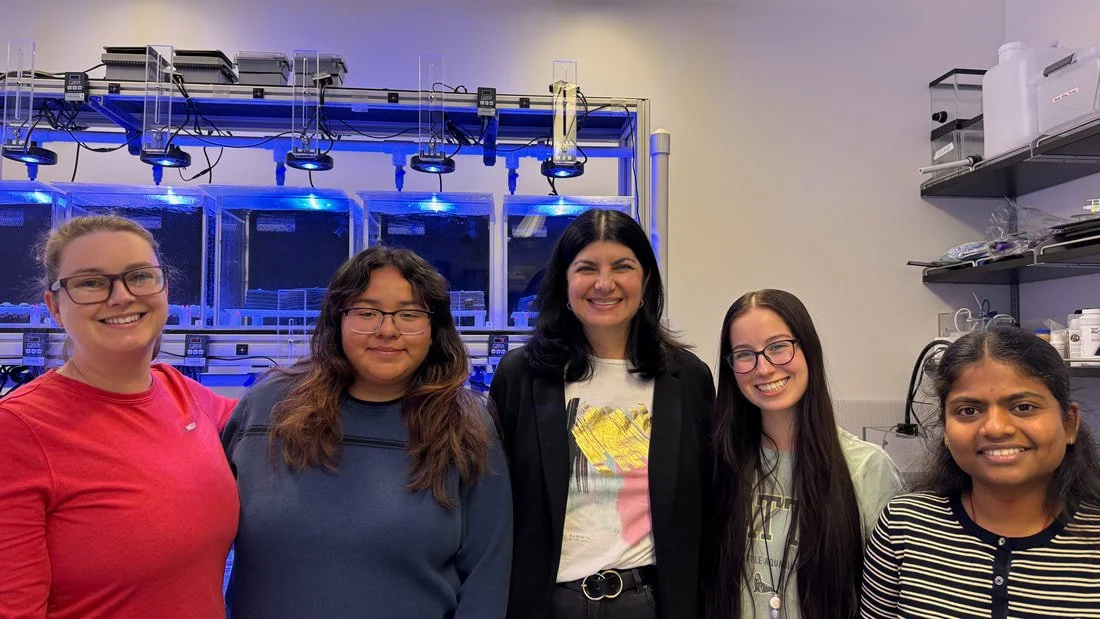
Building and maintaining these experiments is a big job! First, we set up a fully automated 10-tank seawater system (custom built by Aquatic Research Systems) to support our controlled coral experiments. With this state-of-the-art setup, we are able to explore how corals and their symbionts respond to different stressors while growing on small artificial reef structures. Each tank requires observation and weekly maintenance.
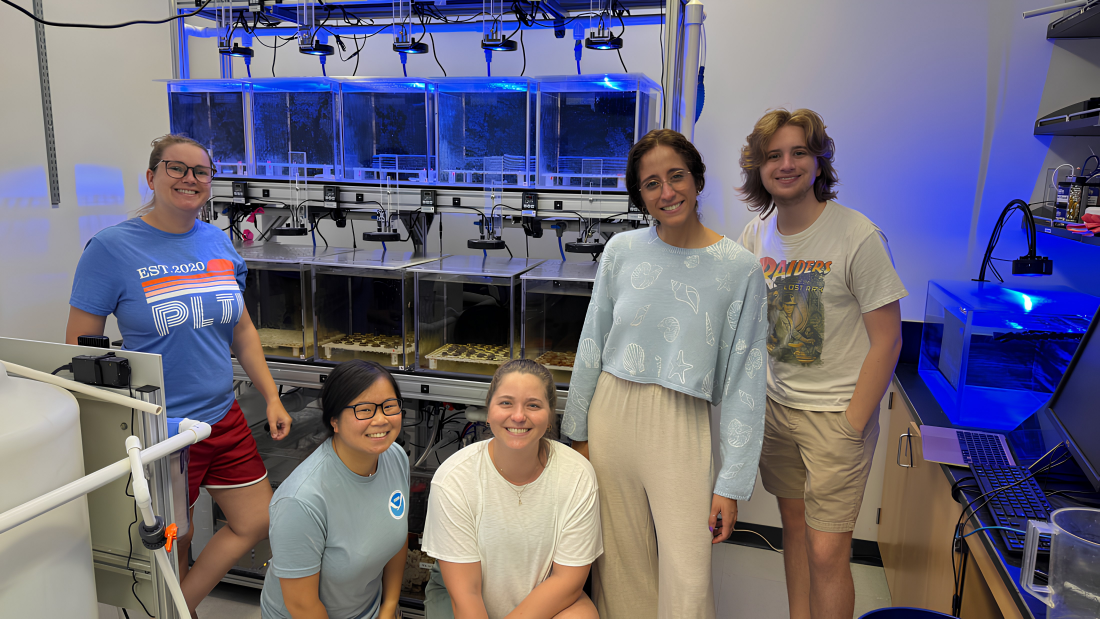
These experiments have been running since fall 2025, and the results could help shape a new approach to reef restoration without adding to the carbon emissions driving ocean warming.
If carbon-neutral concrete proves to be a healthy growing surface for corals, artificial reefs could do more than replace lost structure. They could become part of a more climate-conscious strategy for rebuilding the reefs of the future.
Stay tuned as our results reveal whether this novel cement can help corals grow while leaving a lighter footprint on the planet.