The holobiont concept
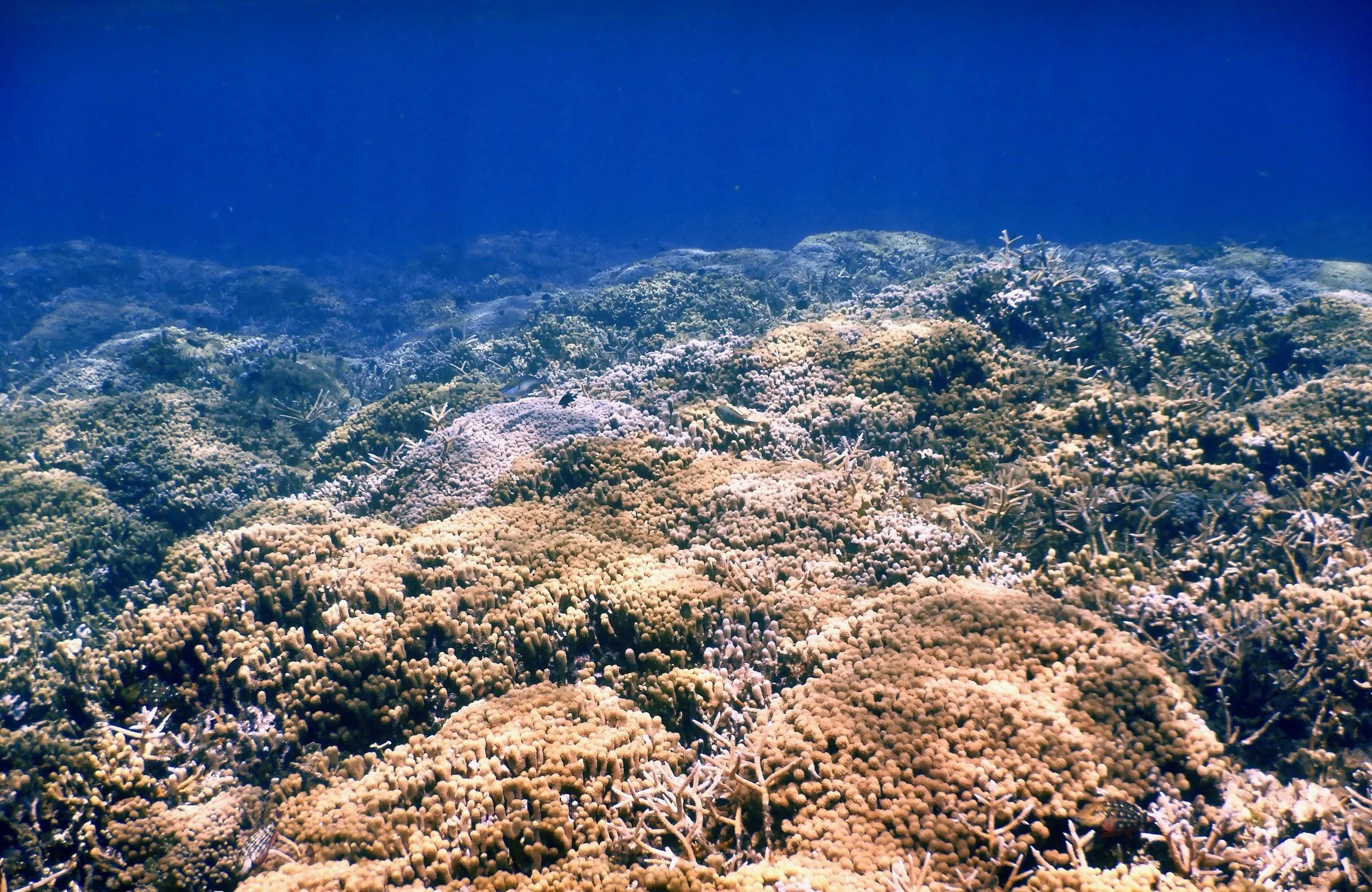
Animal immunity has a history, and cnidarians preserve one of it’s earliest chapters.
Reef-building corals have survived multiple mass extinctions and extreme climate cycles. Their origins stretch back hundreds of millions of years.
Every scrape, cold, and infection you have recovered from depended on an immune system whose origins stretch back hundreds of millions of years. Cnidarians are among Earth’s oldest surviving animal lineages, with reef-building corals persisting for roughly 250 million years. This group of cnidarians has survived multiple mass extinctions and extreme climate cycles. Their DNA, holobiont structure, and innate immunity could hold the key to understanding how animal immunity first evolved, and how innate immunity can help us thrive far into the future.
Corals use pattern-recognition receptors to detect microbes.
Humans do too.
Corals deploy anti-microbial molecules to fight infection.
So do human skin and mucous membranes.
Corals repair damaged tissue through regenerative wound healing.
So do we.
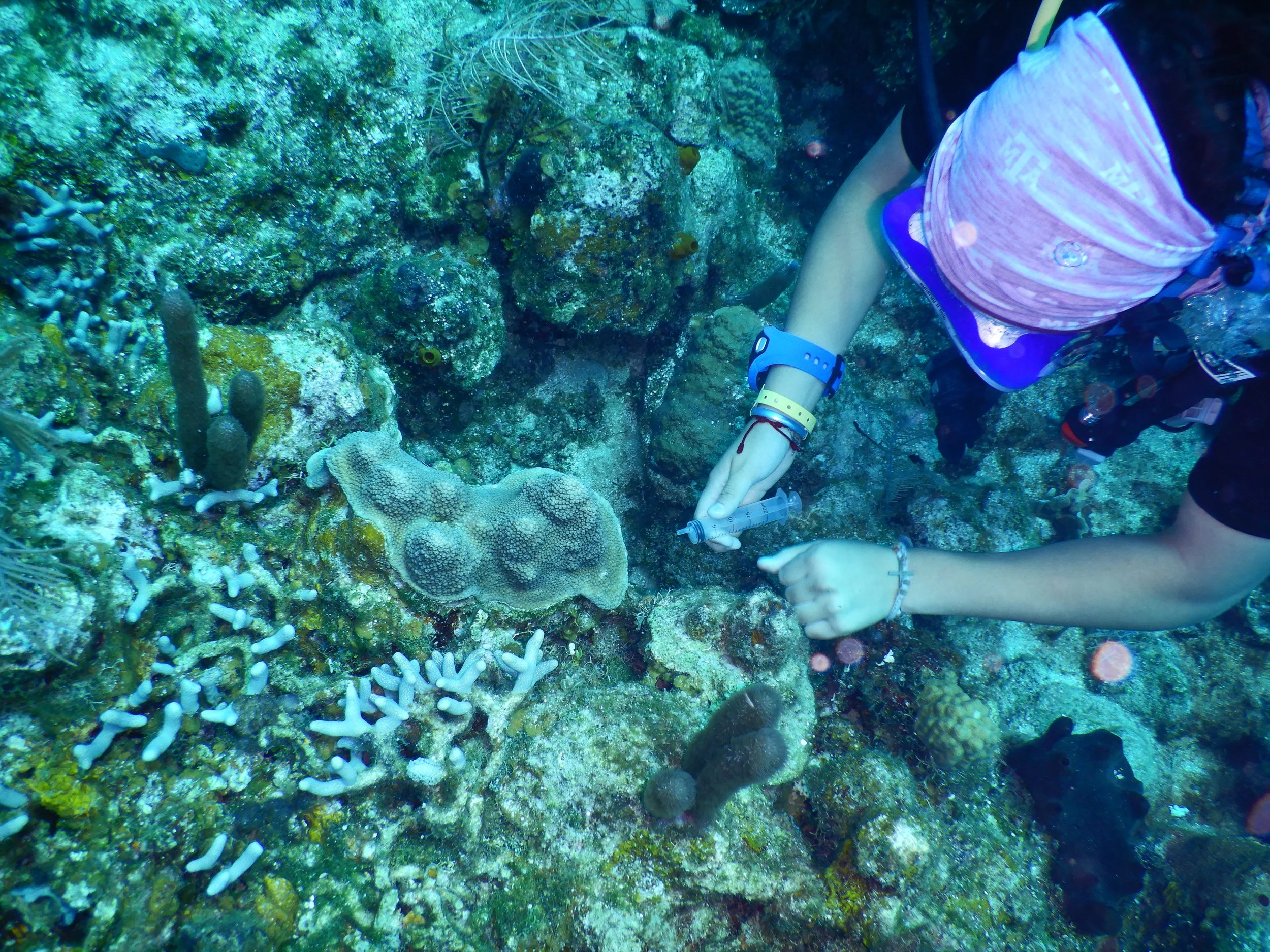
Coral’s exclusively innate immunity uses pattern recognition receptors to detect microbes, trigger cellular signaling cascades, and deploy antimicrobial molecules and reactive compounds to fight infection, then it repairs damaged tissue. While human bodies employ similar systems, we rely on a combination of innate and adaptive immunity. Without adaptive immunity (the ability to produce antibodies or hold immunological memory about specific pathogens), coral becomes more vulnerable to disease. The progression of coral disease involves disruption of microbial balance, breakdown of immune defenses, tissue damage, and eventual spread between colonies.
Increasing evidence suggests that human diseases are linked to disruption of our microbial communities
Innate immune systems evolved long before adaptive ones, so it follows that our species’ ancestors gained one and then the other. With insights from an ancient, innate only model, scientists may be able to understand the history of immune evolution and its present functions.
A coral’s immune system is further nuanced by its holobiont structure. Healthy coral is not made up of one type of tissue or even one species alone. Coral is composed of all the living organisms within the coral, known as the holobiont. Within the holobiont there are three layers of life: the coral host, microbiome (bacteria, fungi, viruses, and microalgae), and the symbiotic microalgae within coral’s tissues and cells, performing photosynthesis for the coral in return for respiration. Here too, humans share a similarity with coral, since the average 30 trillion cells in a human body live in symbiosis with about 38 trillion bacterial cells, trillions of viruses, and millions of fungi. As the larger scientific community learns more about the importance of the human holobiont, we can understand its evolutionary origins through the study of disease and immune response in coral and other cnidarians.
Like coral, humans depend on a microbiome whose cells outnumber our own
Increasing evidence suggests that human diseases are linked to dysbiosis; a disruption in our microbial communities. Similarly, the progression of coral disease begins with a disruptor; this could be a pathogen, a microbe, or environmental stress that disrupts microbial balance. To combat the disturbance, coral employs its immune response. Either the coral is successful, returning to a balanced state (eubiosis), or the balance of microorganisms will shift into dysbiosis, allowing harmful microorganisms to accumulate, leading to tissue damage and the formation of visible lesions. As lesions expand and infected corals release pathogens into the surrounding water, disease can spread between colonies. One question we are working to answer, is whether there is a coordinated disease response between the layers of the holobiont. Understanding the relationship between disease responses could help us understand the mechanism for common coral diseases like Stony Coral Tissue Loss Disease, and could even lead to discoveries about human disease responses in the context of our own holobiont.
Coral has spent the last 250 million years solving the same biological problem that humans still face: how to live alongside trillions of microbes while defending against the ones that cause disease. Every discovery about coral immunity reveals not only how reefs survive, but another chapter in the evolutionary story of our own immune system.